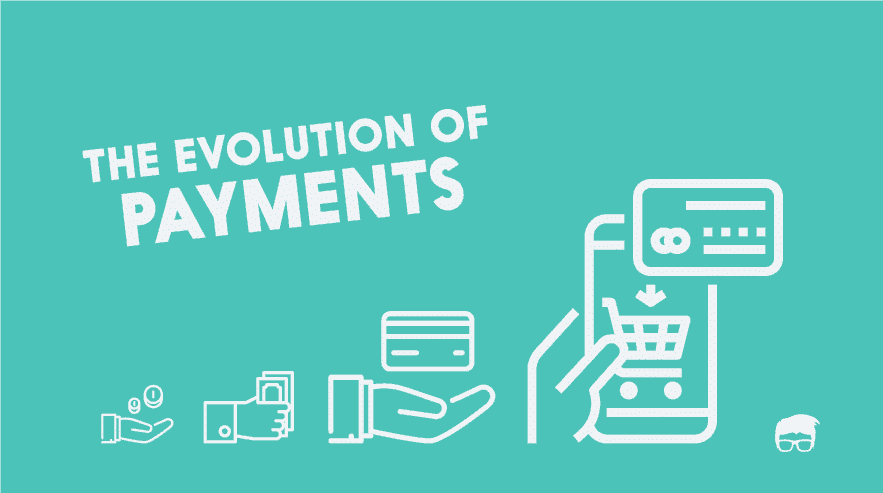
The payments landscape is changing rapidly as technology accelerates, user expectations evolve, and financial innovation expands. Understanding where payments are headed gives consumers insight into future conveniences and trends that may shape how money moves across the economy.
One major direction involves increased speed. Real-time payments allow money to move instantly between accounts, eliminating traditional delays. Many countries have introduced national instant payment systems that enable 24/7 transfers. Fintech platforms integrate with these systems to provide immediate settlement for payroll, bill payments, and peer-to-peer transfers. For consumers, faster payments mean fewer waiting periods and improved financial flexibility.
Another direction concerns mobile-first payments. Smartphones have become primary financial tools, especially among younger consumers. Mobile wallets, QR payments, and app-based commerce are increasingly common in retail, public transportation, e-commerce, and cross-border transactions. In regions where traditional banking was limited, mobile payments have become the default method for commerce.
Contactless payments represent another area of evolution. Near-field communication (NFC) cards and wearable devices allow payments to be completed with a tap. Contactless usage surged due to convenience and hygiene considerations. As merchants upgrade terminals, contactless adoption is likely to expand further.
Digital identity and authentication technologies are also reshaping payments. Biometrics such as fingerprint scanning, facial recognition, and behavioral analytics make transactions more secure and reduce reliance on passwords. Strong authentication reduces fraud while improving user experience.
Cross-border payments are undergoing transformation. Historically, international transfers were slow and expensive due to multiple banking intermediaries. Fintech platforms now streamline transfers by routing payments through digital networks, lowering fees and increasing speed. Consumers benefit when sending remittances or making international purchases.
Embedded payments represent another trend. Payments are increasingly integrated directly into apps, platforms, and devices. Ride-sharing apps, delivery platforms, subscription services, and e-commerce marketplaces allow consumers to make purchases without manually initiating transactions. These “invisible payments” reduce friction and enhance user convenience.
Digital currencies and blockchain-based systems are also influencing where payments may go. While adoption varies, blockchain offers faster settlement, transparency, and programmable payments. Stablecoins, which are digital assets pegged to traditional currency values, are gaining traction for cross-border commerce. Central banks are exploring central bank digital currencies (CBDCs), which could introduce new government-backed digital payment systems.
Merchant acceptance is expanding beyond traditional cards. Small businesses now accept digital wallets, QR payments, and mobile POS systems. Fintech hardware and software lower the cost of accepting electronic payments, enabling microbusinesses and informal merchants to participate in digital commerce.
Security innovations are shaping the future as well. Tokenization and encryption protect consumer credentials, while machine learning detects fraud in real time by analyzing transaction patterns. As payment volumes grow, risk management becomes more sophisticated.
The final direction involves financial personalization. Payments data reveals spending patterns that can be used to offer budgeting tools, credit recommendations, or financial insights. Consumers gain greater financial awareness, while platforms compete using value-added services rather than just transaction processing.
In summary, payments are moving toward faster settlement, mobile-first experiences, embedded transactions, enhanced security, and global interoperability. Technology is reshaping where payments occur and how consumers interact with money. For end users, the future of payments promises greater convenience, transparency, and choice.