
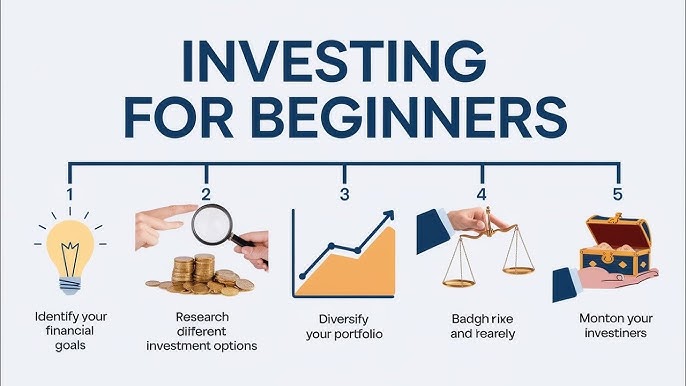
Investing is the process of putting money into assets with the goal of generating returns over time. While saving is primarily about safety and liquidity, investing is about growth and compounding. For beginners, understanding how investing works helps build confidence and improves long-term financial outcomes.
The first concept involves how money grows through compounding. Compounding occurs when returns generate additional returns on top of the original principal. Over long time horizons, compounding magnifies small annual gains into significant results. For example, a modest investment that earns steady returns can double or triple in value over multiple decades. This is why early investing often matters more than perfect timing.
Another dimension is how markets price assets. Markets bring together buyers and sellers who trade based on expectations about future earnings, interest rates, and economic trends. Prices fluctuate daily due to new information, sentiment, or macroeconomic developments. While short-term movements can appear random, long-term prices generally reflect the underlying performance of companies, industries, and economies.
Beginners must also understand how risk and return relate. Higher returns typically require assuming greater risk. Government bonds or savings accounts are lower-risk but produce lower returns. Stocks can deliver higher returns but fluctuate more. Diversification helps manage risk by spreading investments across assets that do not move in the same direction at the same time.
Investing works through several asset types. Stocks allow investors to buy ownership in companies and benefit from growth and dividends. Bonds represent loans made to governments or corporations, providing interest payments. Funds, such as mutual funds and exchange-traded funds (ETFs), pool money from many investors to purchase baskets of stocks or bonds. Funds simplify diversification, making them appealing for beginners.
Technology has made investing more accessible. Online brokerages and mobile apps allow individuals to buy small quantities of stocks or funds, sometimes with no minimums. Automated investing tools, often called robo-advisors, construct portfolios based on goals and risk profiles. For beginners, these tools reduce decision fatigue and help maintain discipline.
Investing also involves time horizons. Short-term investing focuses on periods under five years, where volatility can be problematic. Long-term investing operates over decades, taking advantage of compounding and market growth. Beginners should match time horizons to goals: saving for a first car may require lower risk, while retirement savings permit more growth-oriented strategies.
Costs matter as well. Fees such as fund expense ratios, trading commissions, and advisory charges reduce total returns. Low-cost index funds, which track market benchmarks, help reduce fees without requiring active stock selection. Over long periods, minimizing fees can significantly improve outcomes.
Behavioral factors influence how investing works in practice. Investors sometimes make emotional decisions based on fear or excitement. Selling in panic during downturns or chasing returns during rallies can damage long-term performance. Successful investing often requires patience, discipline, and a long-term view.
In summary, investing works by allocating money to assets that grow and compound over time. Beginners benefit from understanding risk, diversification, fees, and time horizons. With accessible tools and educational resources, investing has become more approachable for everyday consumers.