
Consumers today have more choices than ever regarding where to invest. The combination of brokerage platforms, retirement accounts, robo-advisors, and financial apps has expanded access and reduced barriers. Understanding where investing occurs helps consumers select tools that match goals, risk tolerance, and convenience.
Brokerage accounts are primary environments for investing in stocks, bonds, ETFs, and mutual funds. Online brokerages allow consumers to buy and sell assets directly, offering flexibility and control. Many platforms provide research tools, charting, and educational content to assist decision-making. Brokerages vary in fees, investment options, minimum balances, and usability.
Retirement accounts represent another place where consumers invest. In many countries, retirement plans provide tax advantages that encourage long-term investing. Contributions may grow tax-deferred or tax-free, depending on account type. Employer-sponsored plans may include matching contributions, increasing value without additional cost. Retirement accounts typically emphasize diversified portfolios aligned with long horizons.
Robo-advisors provide automated investing based on questionnaires that assess risk preferences and goals. These platforms allocate money across diversified portfolios and rebalance automatically. Robo-advisors appeal to consumers who want discipline and structure without managing individual securities. Fees are typically lower than traditional advisors and portfolios are designed for long-term growth.
Financial apps designed for micro-investing allow consumers to invest small amounts regularly. Some apps round up purchases and invest the difference, making entry barriers extremely low. These platforms introduce investing to first-time users and encourage savings habits. While micro-investing alone may not meet large goals, it builds familiarity with markets.
Consumers may also invest through banks or financial advisors. Advisors offer personalized guidance and can help structure complex financial plans. However, advisor fees may be higher, and consumers should evaluate compensation models to ensure alignment of interests.
Geography influences where consumers can invest. Domestic markets may be familiar and convenient, while international markets provide additional diversification. Global funds enable exposure to foreign companies without requiring direct international trading. Diversification across regions reduces concentration risk in any single economy.
Account type also determines where investments reside. Taxable accounts allow flexible deposits and withdrawals but do not provide tax benefits. Tax-advantaged accounts limit withdrawals but support long-term goals such as retirement or education. Consumers should match account types to financial priorities.
Finally, consumers should evaluate safety and regulation. Reputable platforms are regulated, use encryption, and protect investor assets. Some accounts include insurance against brokerage failure, though not against market losses. Consumers should avoid unregulated schemes or products that promise guaranteed high returns, as these may involve fraud.
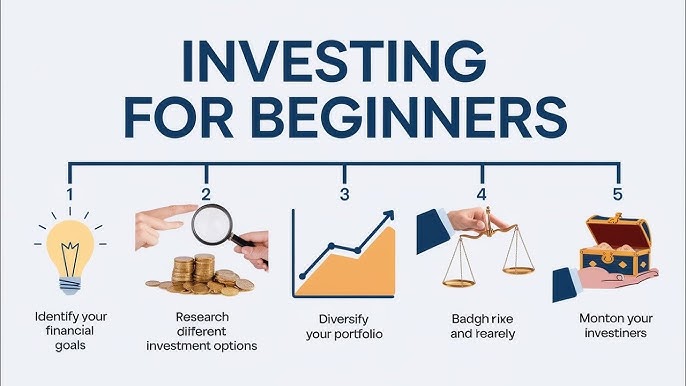
In summary, consumers can invest through brokerages, retirement accounts, robo-advisors, micro-investing apps, and financial advisors. Choosing where to invest depends on goals, time horizons, risk tolerance, fees, and convenience. Understanding platform features and account structures empowers consumers to invest confidently and efficiently.