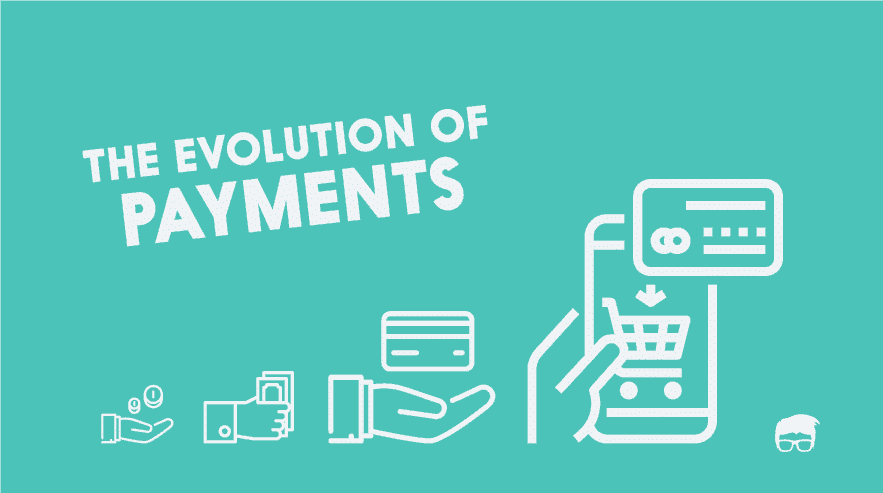
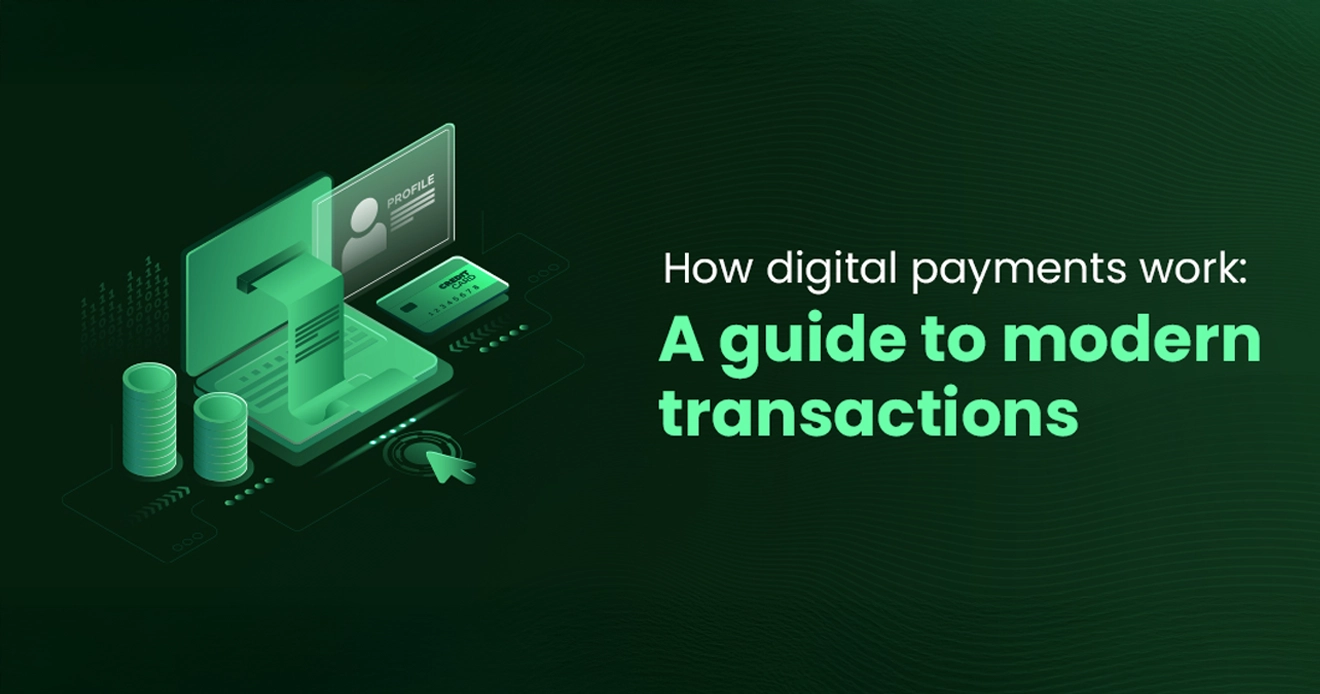
Digital payments have become a routine part of daily life, replacing traditional methods such as paper checks and cash. For many consumers, digital payments offer a faster, safer, and more convenient way to send and receive money. Understanding how digital payments work helps users make informed decisions about security, fees, and payment options.
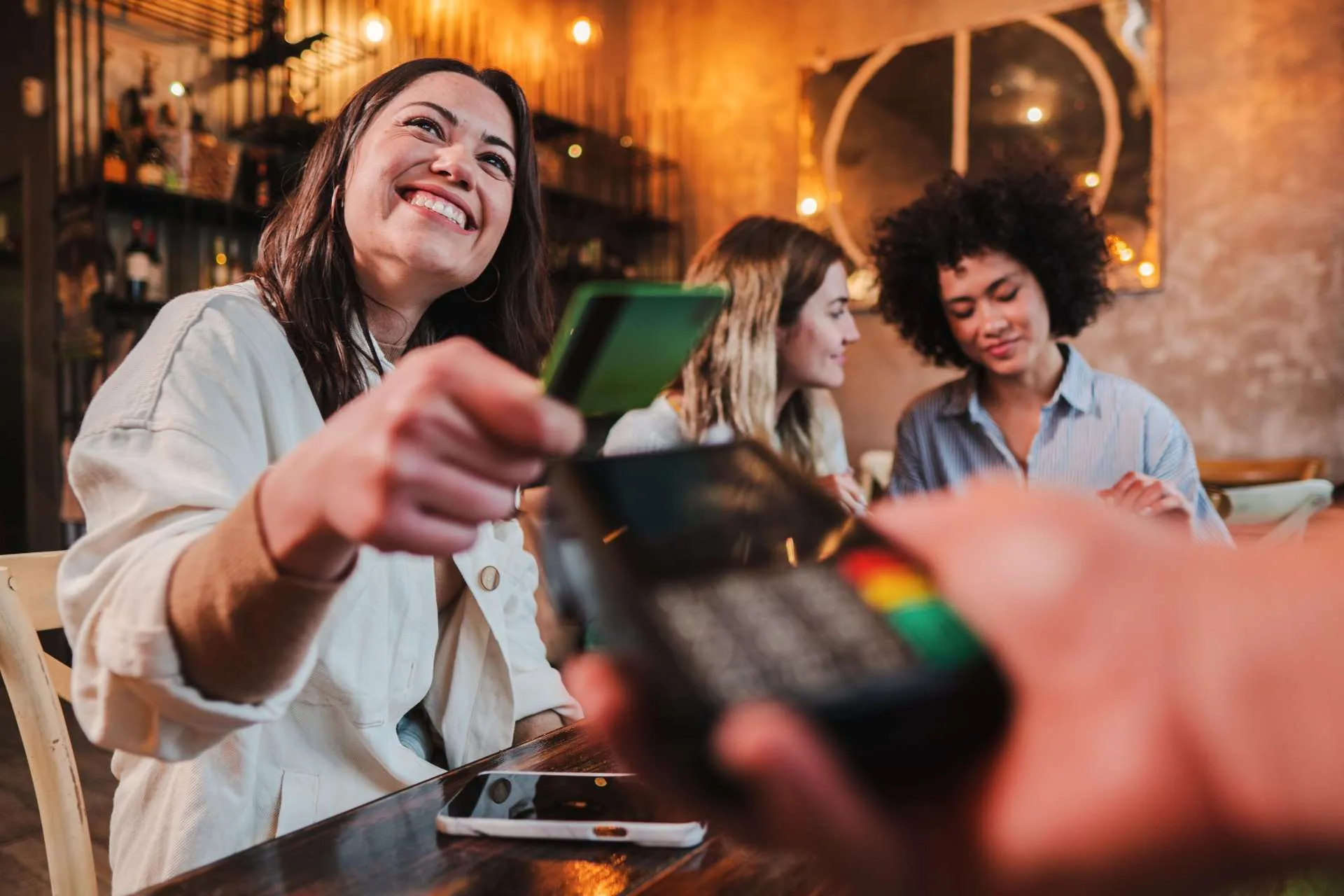
The first component involves how digital payments are initiated. Consumers typically begin a payment through a device such as a smartphone, computer, or card terminal. When a user enters payment information or taps a card, the system captures details such as card number, account credentials, and transaction amount. This information is sent through secure networks to confirm that the consumer has sufficient funds or credit to complete the transaction.
Digital payments rely on several types of accounts. Credit cards allow consumers to borrow funds up to a limit and repay later. Debit cards withdraw funds directly from a checking account. Digital wallets store payment information securely and enable transactions without exposing full card details. Bank transfers move funds between accounts electronically. Each payment method has different settlement speeds, fees, and protections.
Once initiated, payments move through processing networks. For card payments, data is transmitted to a payment processor, which forwards the request to the card network (e.g., Visa, Mastercard). The network contacts the issuing bank to confirm availability of funds or credit. If approved, the transaction is authorized and the consumer receives confirmation. Settlement—the transfer of funds from bank to merchant—happens later, often within one to three business days.
Digital wallets such as Apple Pay, Google Pay, and PayPal simplify this experience by allowing users to pay without exposing full financial details. Wallets store encrypted credentials and create unique tokens for each transaction, reducing risk of identity theft. For consumers, wallets offer convenience because payments can be completed with a tap, scan, or click.
Online payments follow similar workflows but may include additional steps such as address verification or two-factor authentication. Authentication ensures that the person initiating the payment is legitimate. Many platforms use one-time codes sent via text or email, facial recognition, or fingerprint scanning to protect accounts.
Security plays a central role in digital payments. Encryption protects data as it travels across networks. Tokenization replaces sensitive account numbers with digital tokens, reducing exposure in the event of data breaches. Fraud monitoring systems analyze spending patterns, device data, and transaction behavior to detect suspicious activity. Consumers benefit from these protections but must also be cautious about phishing attempts, unauthorized access, and password reuse.
Digital payments also introduce considerations of when payments clear. Some transactions occur instantly, while others require waiting periods. Peer-to-peer (P2P) payments through apps such as Venmo, Zelle, or Cash App often appear immediately for both sender and recipient, although back-end settlement may occur later. Bank transfers may take longer, especially when moving across institutions or borders.
Fees are another factor for end users to consider. Many digital payments are free for consumers, especially when funding comes from bank accounts. However, some platforms charge fees for instant withdrawals, currency conversions, or credit card funding. Understanding fee structures helps consumers choose the most economical method.
Digital payments also provide benefits for budgeting and financial management. Transaction histories are stored automatically, making it easier to track expenses, review spending habits, and manage subscriptions. Many apps integrate budgeting tools or financial dashboards that summarize spending by category.
Finally, digital payments continue to evolve. Innovations such as real-time payments, contactless cards, and QR-based systems are becoming more common. International remittances are being modernized by fintech platforms that reduce transfer costs and speed up settlement. As technology advances, consumers gain more choice in how they pay and how quickly funds move.
In summary, digital payments work through a combination of secure processing networks, authentication systems, and settlement mechanisms. For end users, the benefits include convenience, speed, transparency, and access to modern financial tools. Understanding the underlying process enhances financial confidence and helps consumers select the most suitable payment methods for everyday transactions.